Paid history checks tell you the four things a seller might not: if finance is still owed on the car, if it was ever written off, how the recorded mileage has moved over the years, and how many owners it has had. Free government checks add the tax and NCT status. Run both before you go to see the car, not after, and most bad purchases never happen.
What does a paid history check actually show?
Three services do this job in Ireland and they cover similar ground: Cartell, MotorCheck and the AA. You enter the registration and pay for a report. Cartell describes its check as covering Irish and UK history, with mileage and finance checks, write-off records and tax details included. MotorCheck and the AA cover the same headings. What you get back, in plain terms:
- Outstanding finance. Where finance is still owed, the lender can still claim the car, even after you have paid the seller in full.
- Write-off history. A car recorded as written off by an insurer may have been repaired well or badly, and you deserve to know before you decide.
- Mileage history. Readings logged at NCT tests and other points, so a sudden drop stands out.
- Previous owners. How many, and how long each kept it. Several short-term owners in a row is a question worth asking.
- Import status. If the car came in from abroad, and from where.
What can you check for free?
Two government services cover the basics at no cost. The Department of Transport's Vehicle Status Enquiry and its Check My Vehicle service both show the tax and test position of any Irish-registered car from its registration number. Add the NCTS's own NCT validity check for the test expiry date. MotorCheck offers a free reg check too, which gives you the basic vehicle details before you decide to pay for the full report.
Neither free check shows finance or write-off records. Those sit behind the paid report, and that report is where the money-saving information lives. Think of the free checks as confirming the car exists as described, and the paid one as confirming nobody else has a claim on it.
Why run the check before the viewing?
Because the viewing costs you an evening and the check costs you ten minutes. A buyer driving from Skibbereen to look at a car on the far side of the county wants to know before leaving the house that the finance is clear and the mileage adds up. If the report comes back with a problem, the trip is cancelled and no harm done. If it comes back clean, you arrive knowing what you are looking at and can spend the visit on the car itself.
There is a second reason. Sellers who know you have already run the check tend to answer questions more carefully. You have the report in your pocket. Bluffing stops being an option.
How do you read the results?
Look for consistency. Mileage readings should climb steadily, year on year, with no drop and no unlikely jump. The owner count should make sense against the age. A finance flag is not always a dead end, but it means the seller has to produce a settlement letter from the lender before any money moves, and the deal waits until they do. A write-off record means you ask for the repair invoices and, ideally, have an independent mechanic look the car over.
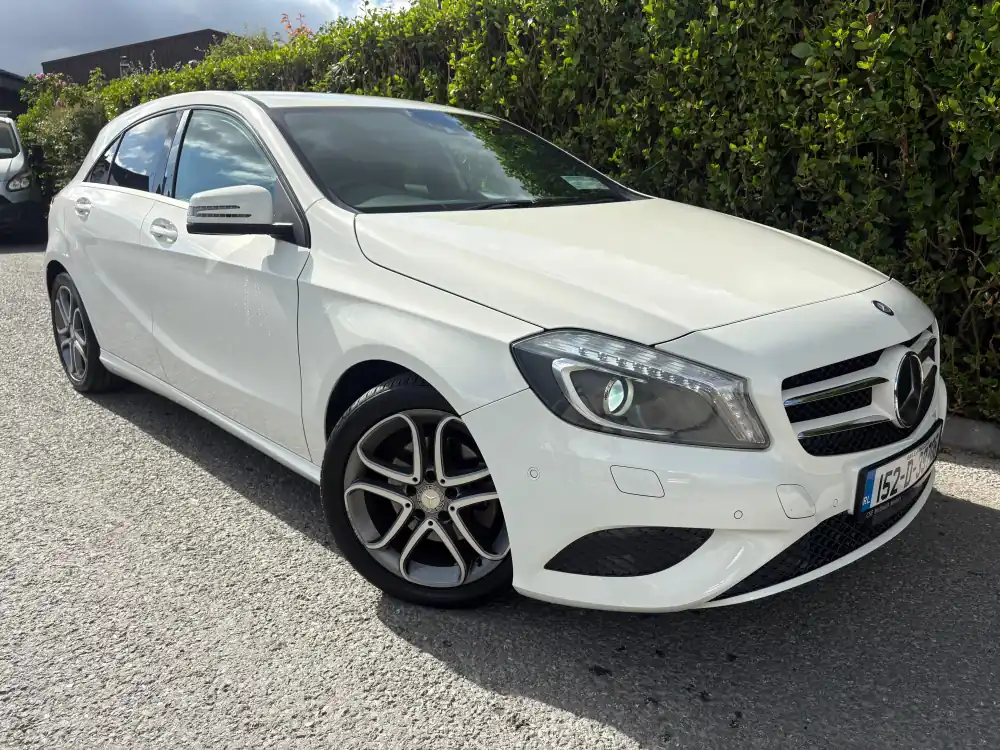
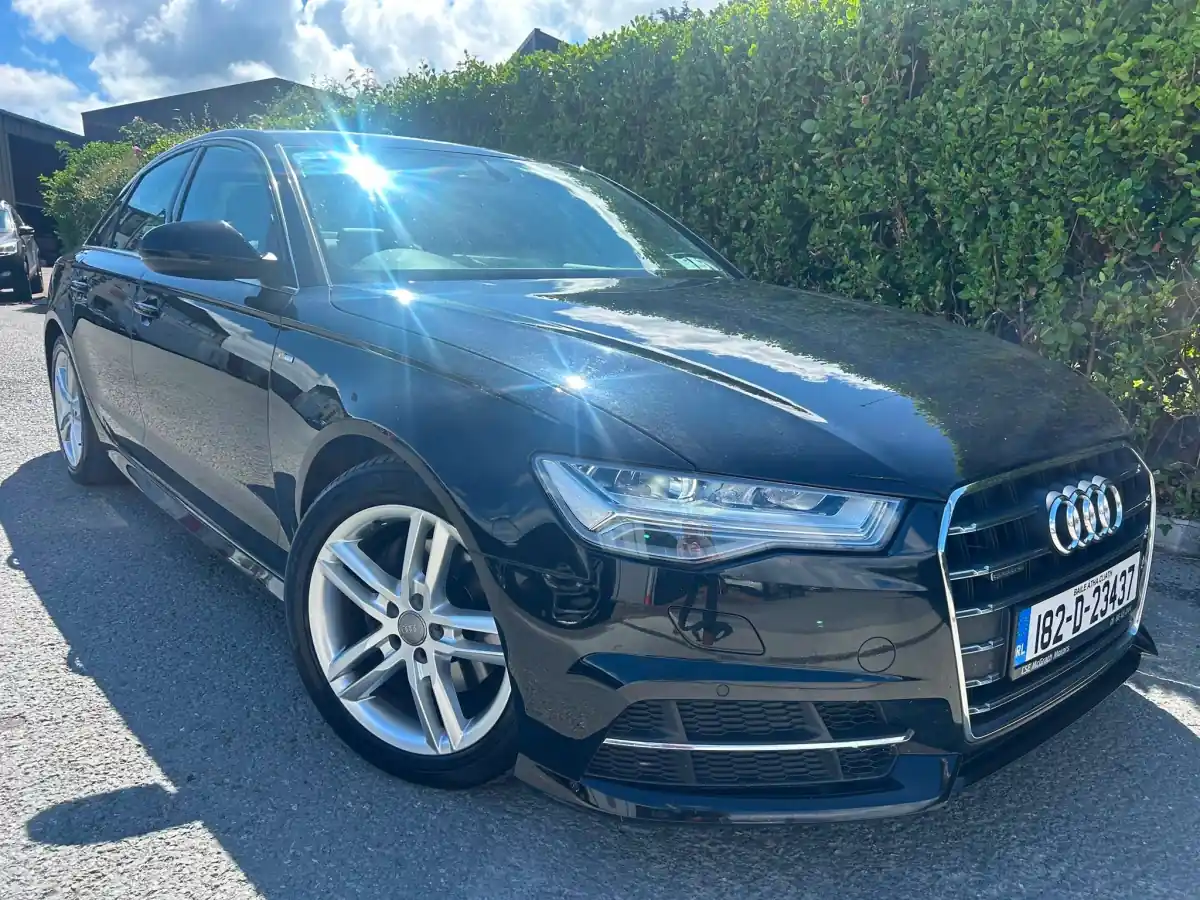
On a premium car in the BMW, Mercedes or Audi class the report matters more, because the numbers involved are larger and the repairs on a badly fixed write-off can run past what the car is worth. Where the right example is hard to find locally, a dealer who sources cars to order has the car checked before you ever see it, which is a large part of the point of that service.
Does a history check replace a look at the car?
It does not. Reports tell you what has been recorded about the car. They cannot see a mismatched tyre, a wet boot floor or a gearbox that thumps into second. Run the report, then do the walk around and the test drive as if you had no report at all. Together they make a safe purchase. Either on its own leaves a gap.
Questions buyers ask
Is there a free way to check a car history in Ireland?
Free government checks show the tax and test status of any Irish-registered car, and MotorCheck offers a free reg check that returns the basic vehicle details. Finance and write-off records, along with the full mileage history, sit behind a paid report. Free confirms the car exists as described, and paid confirms it is safe to buy.
What is the best site to check car history?
Cartell and MotorCheck both provide paid history checks in Ireland, and so does the AA, all covering similar ground. Pick one for the coverage you need, such as UK history on an imported car. Any of the three is far better than none.
Does NCT check mileage?
Each NCT records the odometer reading, and those readings are what a history report uses to build the mileage trail. Verifying the figure is not part of the test. Readings that go down between tests are the sign to look for.
What is the best car history check in Ireland?
Whichever check you actually run before the viewing is the best one. Any of the paid services covers finance and write-off records along with the mileage trail, which are the findings that stop a purchase. Pair it with the free tax and NCT checks and you have the full picture for the price of a report.
Want the checking done before you see the car?
Ring or WhatsApp RS Motors on 086 800 0001, Monday to Saturday from 9am to 8pm. Give the make and model, the year and the budget you have in mind and the sourcing search starts. Every car is checked before it is offered for sale, and you are welcome to ask for the paperwork alongside the car.