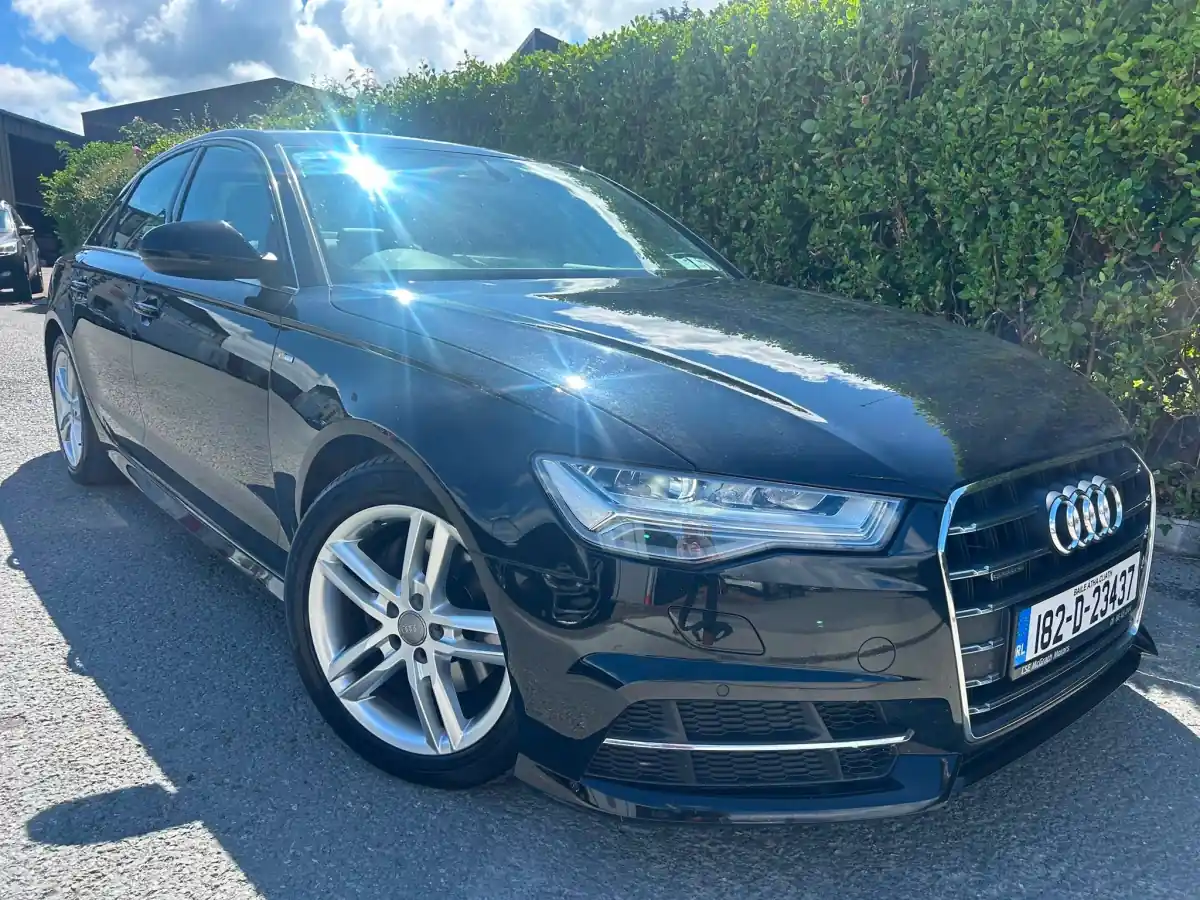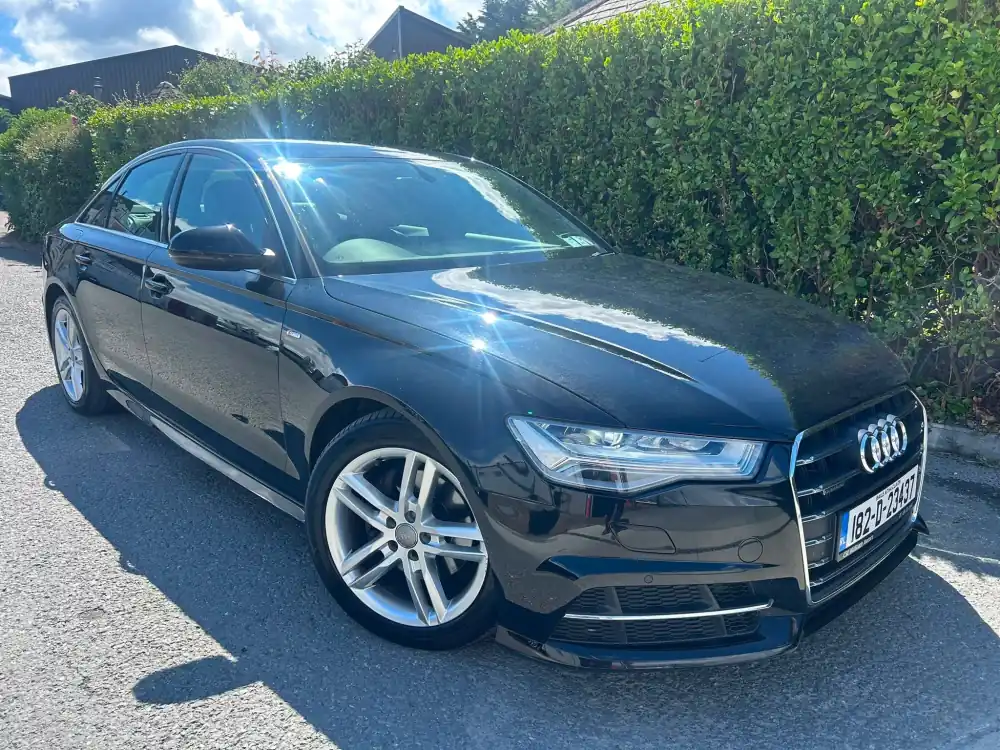
Buy from a dealer and consumer law stands behind you: the car must match its description and be fit for its purpose, and you have remedies if it is not. Buy privately and most of that falls away, leaving you with the description the seller gave and whatever you checked yourself. That one difference decides how much of the risk you carry, so it is worth understanding before you hand over a deposit anywhere in Cork.
Does it matter if you buy from a dealer or a private seller?
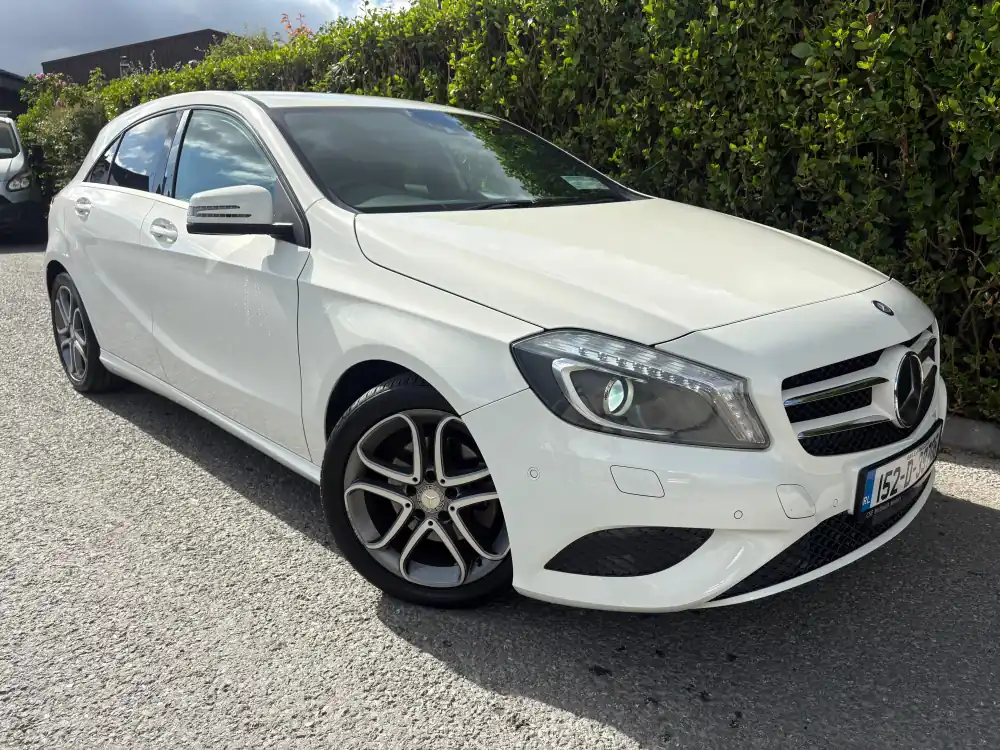
It matters more than anything else on this page. Consumer law in Ireland covers deals between a consumer and a trader. Dealers are traders. Your neighbour selling his Golf on a classified site is not. The CCPC's guide to buying a car explains that a purchase from a dealer comes under the Consumer Rights Act, and that a private sale does not. In a private sale the seller must own the car and must not describe it falsely, and beyond that the law leaves the checking to you.
That is why the same car can be a very different purchase depending on who is selling it. Dealers carry part of the risk after the sale. Private sellers carry almost none of it once the money changes hands.
What does the law expect a dealer to deliver?
In general terms, a car sold by a trader has to match the description you were given, be fit for the purpose you told them about, and be of the quality you could reasonably expect given its age, mileage and price. Used cars are not new cars, and the law does not pretend they are. Wear that matches the age is not a fault. Gearbox failure on the road home is.
The CCPC's page on buying second-hand goods covers the general rule: the protections apply to second-hand goods sold by a business, with the age and condition of the item taken into account. Ask the dealer to put the description in writing on the invoice. Registration, mileage at the point of sale, the service history handed over and any faults declared. That page of paper is your evidence later.
What is a deposit, and can you get it back?
A deposit is money paid to hold the car while the rest of the deal is sorted. Getting it back depends on what was agreed when you paid it, so agree it out loud and get it on the receipt. Ask two questions before the money leaves your hand. Is the deposit refundable, and under what conditions? What happens if the finance falls through or the car fails an inspection you have arranged?
Any dealer who takes a deposit and then cannot supply the car as described should return it. Buyers who simply change their mind may not have the same claim, and that is where the written terms decide it. Citizens Information's page on problems with a used car is the place to read if a deposit dispute has already started.
What should you do when something goes wrong?
Go back to the seller first, in writing. Describe the fault, when it appeared and what you want done about it. Dealers are expected to sort a genuine fault, and the remedy depends on how serious it is and how soon it showed up. Repair, replacement, a price reduction or a refund are the shapes a remedy usually takes. Which one applies is set out in general terms by Citizens Information, and it turns on the facts of the case.
Keep every message and every receipt. If the seller will not engage, the CCPC and Citizens Information both explain the next steps, from a formal complaint through to the small claims route for lower-value disputes. Most disputes never get that far. Any dealer who wants your next car back in stock has every reason to fix the first one.
Where does that leave a lower-priced private purchase?
Sometimes it is still the right call. A well-kept car from a private seller with a full folder of invoices can be a good buy, provided you accept that the checking is all on you. Run the history check yourself. Read the NCT certificate. Take it for a proper drive on a rough road. Treat the price difference as the cost of the protections you are giving up, and decide if that gap is worth it to you.
There is another side to this. If you are moving on an older car to fund the next one, a dealer will usually quote a trade-in or a straight purchase, which keeps your own car sale out of the private market and spares you being the seller in the same argument.
Questions buyers ask
Can I return a car I just bought in Ireland?
Changing your mind on its own does not give you a right to return a car. A genuine fault, or a car that does not match its description, is a different matter when you bought from a dealer, and the remedy runs from repair through to a refund depending on how serious it is. From a private seller, the options are far narrower.
In what circumstances can you insist on a refund?
Refunds sit at the serious end of the remedies. It comes into play where the fault is significant, where a repair has not worked, or where the car was plainly not what was described at the point of sale. The Citizens Information page linked above sets out the general rule, and the exact position depends on the facts, so keep every document.
Am I entitled to my deposit back on a car?
That depends on the terms you agreed when you paid it. If the seller cannot deliver the car as described, the deposit should come back to you. If you changed your mind, the written terms decide it, which is why you ask before you pay and get the answer on the receipt.
What are my consumer rights when buying a used car in Ireland?
From a dealer, the car must match its description, be fit for purpose and be of acceptable quality for its age and mileage, with repair, replacement, a price reduction or a refund as the remedies. From a private seller you have far fewer rights, mostly around ownership and honest description. The CCPC and Citizens Information pages linked in this post carry the full picture.
Want to talk it through before you buy?
Ring or WhatsApp RS Motors on 086 800 0001, any day Monday to Saturday between 9am and 8pm. Ask what the invoice will say before you pay a deposit, and ask what happens if something goes wrong. Straight answers to both are the first thing to look for when buying any everyday used car.