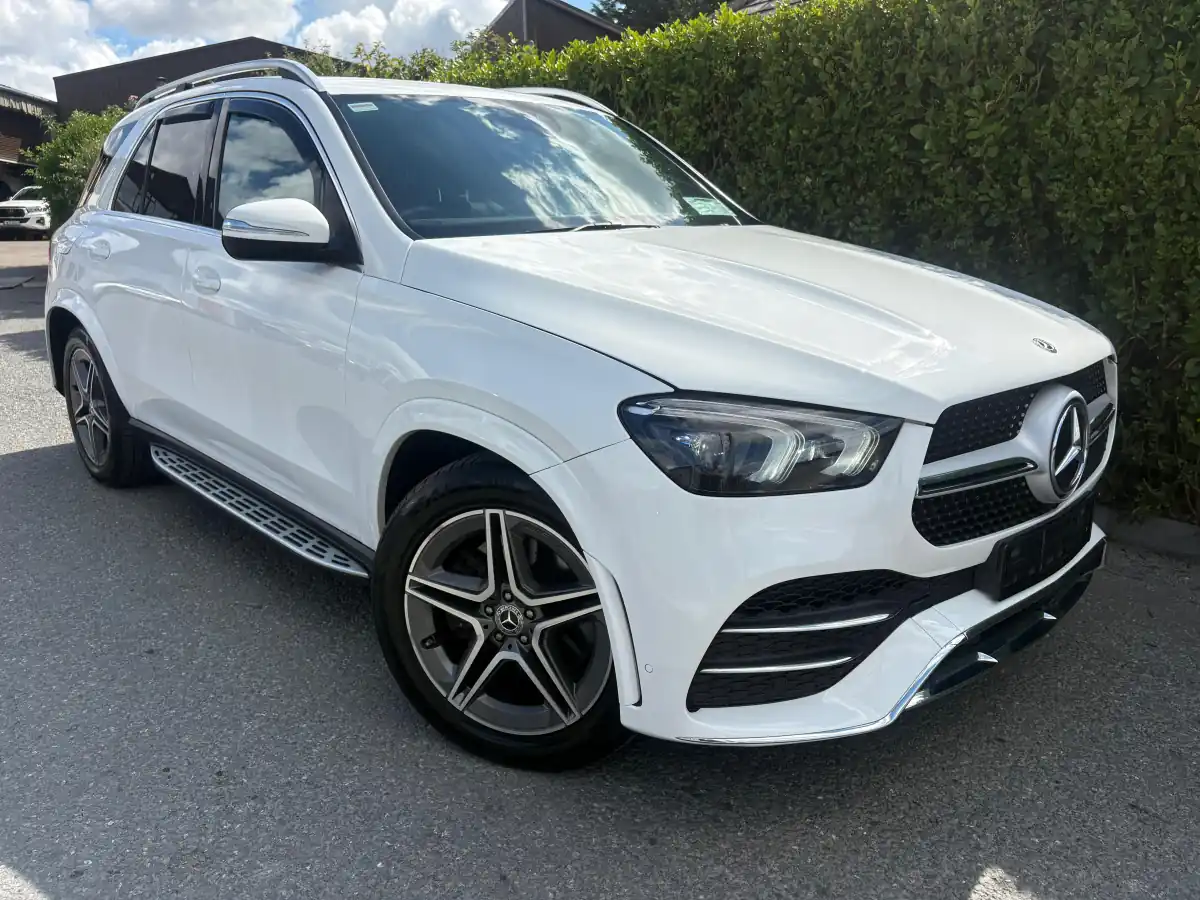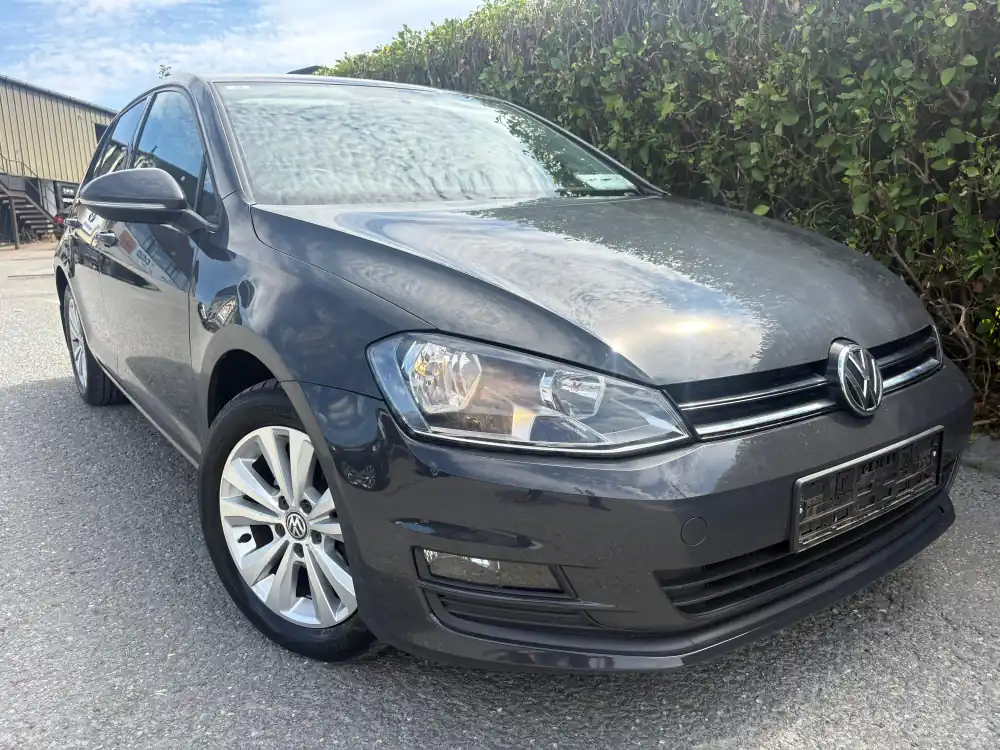
Do a lot of kilometres on open road every year and the diesel makes sense. Do most of your driving around town and the petrol is the better buy. That is the whole decision for a used car in Ireland. Everything else in this post is about being honest with yourself on which of those two drivers you are, and knowing what to look for once you have decided.
How many kilometres do you actually drive in a year?
Be honest about the number, because the answer decides the fuel. Somebody covering Munster for work, out the Bantry road on Monday and back from Waterford on Friday, is a diesel driver. Somebody doing the school run in Clonakilty and a trip to Cork once a month is a petrol driver. Most people sit closer to the second than they think.
CompleteCar's answer to should I choose petrol or diesel draws the line the same way: annual mileage and the type of road decide it, not the badge or the fashion. Long runs at a steady speed are what a diesel is built for. Short cold trips are what a petrol engine tolerates and a diesel does not.
What happens to a diesel that only does short trips?
The particulate filter clogs. A modern diesel carries a filter in the exhaust that collects soot, and it needs a sustained run at speed to get hot enough to burn that soot off. Short trips never get it there. The filter fills, a warning light comes on, and if it is ignored long enough the fix is a proper bill.
On a low mileage used diesel, that is the first thing to look for. A common thing buyers ask about is a diesel with very few kilometres for its age, and the honest answer is that it has probably lived on short trips. Ask for evidence that the filter has been regenerated or replaced, look for a service history that shows regular oil changes with the correct grade, and take it for a long enough test drive that the engine gets properly warm. Check for smoke on a cold start and for any warning light on the dash.
Does petrol always cost less to buy and run?
Pump prices move around and swap places, so no figure written here would stay true for long. What holds: a petrol car of the same age and spec tends to cost less to buy used than its diesel twin, and a diesel tends to go further on a tank on the open road. Over short trips that economy gap narrows to almost nothing, which is the point of the whole post.
Servicing sits on the same side. Diesels carry more parts that can go wrong when they are not driven properly, the filter and the injectors among them, and those parts are dearer to put right. For a car that does town work, the petrol is usually the car that costs less to own even if the diesel was the less expensive car on the day.
Tax comes up in every conversation about fuel. On a new car, the registration tax is weighted by the car's CO2 and NOx emissions, and Revenue's page on calculating VRT sets out how the bands work and gives the calculator for a specific car. For a used Irish car that tax was paid long ago; it only comes back into the picture if you are looking at an import.
Does the fuel type change what you should check on the car?
The checks overlap, but each fuel has its own.
On a diesel: evidence of regular oil changes with the right grade, the particulate filter as above, a cold start with no blue or white smoke, no rattle from the turbo on the test drive, and a look at the mileage against the age to see how the car was used. Long motorway kilometres on a diesel are not a worry. Low kilometres are.
On a petrol: the same service evidence, with attention to the timing belt or chain if the engine has one, a look at the coolant, and a listen for misfires or hesitation once the engine is warm. Small turbo petrols like an easy life too, so a full history matters just as much.
MotorCheck's guide on what to look for when buying a used car is a good order to do the checks in, whichever fuel you land on.
What about resale when you go to sell?
Buyers in rural Munster still want diesel where the mileage justifies it, and buyers in town lean to petrol. Buy the fuel that suits the driver who lives where you live, because that is who will be buying it off you in a few years. A diesel with a big, honest mileage and a full history sells well to the next long distance driver. A petrol hatchback with modest kilometres sells well to the next town driver.
At the premium end, the big saloons and SUVs in the X5 and GLE class, or the Q7 and A6 class, tend to be diesels for a reason: they are built for long runs, and that is how their owners drive them. The premium used cars page shows the kind of car in stock. At the everyday end, a Polo or Golf class hatchback in petrol form is the sensible buy for town, and the premium used cars page is where to look.
Questions buyers ask
Should I buy a petrol or diesel car in 2026?
Buy by your mileage, not by the year. High annual kilometres on open road, diesel. Short trips around town, petrol. If you are between the two, petrol is the safer buy because it forgives short trips and a diesel does not.
Are diesel cars being phased out in Ireland?
Nothing stops you buying, taxing or driving a used diesel today. Government policy has been steering new car buyers toward lower emissions for years, and the registration tax on a new or imported car is weighted by CO2 and NOx, which is set out on Revenue's calculating VRT page. For a used diesel doing the right kind of mileage, that changes very little about the sums.
Which costs less in Ireland, petrol or diesel?
At the pump the two swap places over time, so check the price on the day rather than trusting a rule of thumb. Over a year, diesel tends to win on long open road mileage and petrol tends to win on short trips, once you count the purchase price and the servicing. The fuel that costs less is the one your driving suits.
Not sure which driver you are?
Ring or WhatsApp RS Motors on 086 800 0001, Monday to Saturday 9am to 8pm, and describe a normal week's driving. That is usually enough to settle it. If the Bantry road is your regular run, the used cars Bantry page is written for your kind of driving.