Six checks settle a used car purchase before any money moves. Does the registration certificate match the person selling? Has a history check come back clean? Do the NCT date and the service record line up with the odometer? Have the bodywork and tyres passed a slow walk around in daylight? Did the test drive throw up any noise or warning light? And is the change of ownership agreed before you hand over a cent? Below is how you do each one, written for a buyer in Cork who wants it right first time.
What documents should you ask for first?
Start with the Vehicle Registration Certificate, the logbook. Ask to see the original, not a photo of it. Check that the name on it matches the seller's ID, and that the registration and chassis number match the car in front of you. A seller who cannot produce it has no business selling the car yet. Citizens Information sets out the paperwork worth checking before you commit to a used car purchase, and it is a short read.
Next, the service history. A stamped book or a folder of garage invoices tells you how the car was kept. Gaps are a question, not a verdict, but ask about them. On a diesel, ask when the oil was last changed and ask for evidence that the timing belt or chain has been looked after on schedule. On an automatic, ask for evidence of a gearbox service. Then the NCT certificate. Look at the date, and look at the mileage recorded on it, because that gives you a fixed point to compare the odometer against.
Should the history check come before the viewing?
Run it before you drive out to see the car. A paid history check from a service such as Cartell or MotorCheck shows outstanding finance, any write-off record, the number of previous owners and the mileage readings logged over the years. Ten minutes at the kitchen table can save you a wasted evening on the road. If the check turns up finance still owed on the car, walk away until the seller shows you a settlement letter. If the mileage history jumps about, you have found either a clocked car or a typing error, and it is on the seller to prove which.
MotorCheck's own guide to what to look for when buying a used car puts documentation at the top of the list for the same reason. Paper first, then metal.
What should you look at on the car itself?
Go in daylight, and go when the engine is cold. Cold starts tell you more than warm ones. Listen for rattles in the first thirty seconds, watch the exhaust for smoke, and check the dashboard for any warning light that stays on once the engine is running.
Then walk around the car slowly.
- Panel gaps should be even on both sides. One wing with a wider gap than the other points to a repair.
- Paint should match panel to panel. Stand back and look along the side of the car in the light.
- Tyres should wear evenly across the tread. Wear on one edge suggests alignment or suspension trouble, and mismatched brands across an axle suggest someone was cutting corners.
- Look under the oil filler cap for a creamy residue, and check that the coolant is clean.
- Try every switch and every window. Try the mirrors and the air conditioning. Electronics are expensive to chase later.
The RSA's advice on buying a second-hand car covers the safety side, including the tyre and brake checks that catch out buyers who only looked at the paintwork. A car at RS Motors in Clonakilty is checked before it goes on sale, but bring your own eyes anyway. Nobody minds a careful buyer.
What does the test drive need to tell you?
Drive it for long enough to get warm, and take in a rough stretch of road. West Cork has no shortage of those. Listen for knocks over potholes, feel for a pull in the steering under braking, and let the gearbox go through every gear. On an automatic, wait for a hesitation or a thump between changes. Turn the radio off. Turn the fan off. Silence is the point of the drive.
Take a passenger who knows cars if you can. Two sets of ears hear more, and a second person can watch the back of the car for smoke under load while you drive. If anything feels wrong, say so and ask. Any seller who gets defensive at a fair question has answered it.
Who handles the paperwork on the day?
Agree this before the money moves. When you buy from a dealer, the dealer looks after the notification and the new certificate comes to you in the post. When you buy privately, you and the seller record the change together, on paper or through the online service. Citizens Information explains how change of ownership works in both cases. You tax the car in your own name once the change goes through, so do not plan on driving it far that day.
Get a receipt with the registration on it, the price paid, the date and both names. That single page is what your consumer rights hang off if something goes wrong later.
Does the checklist change with the price of the car?
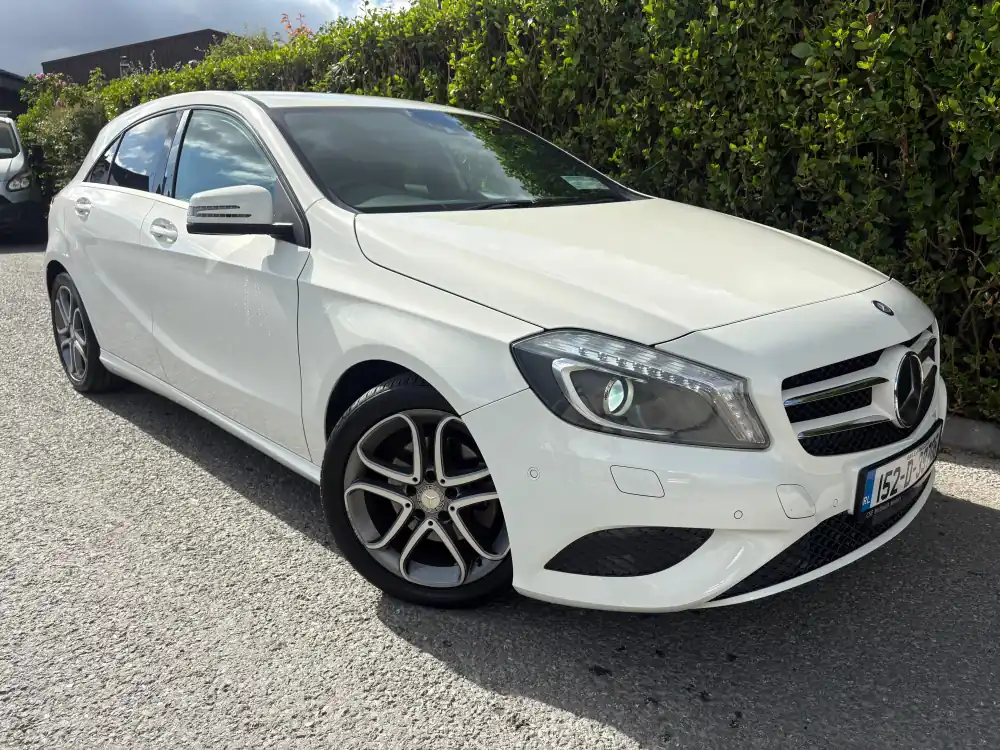
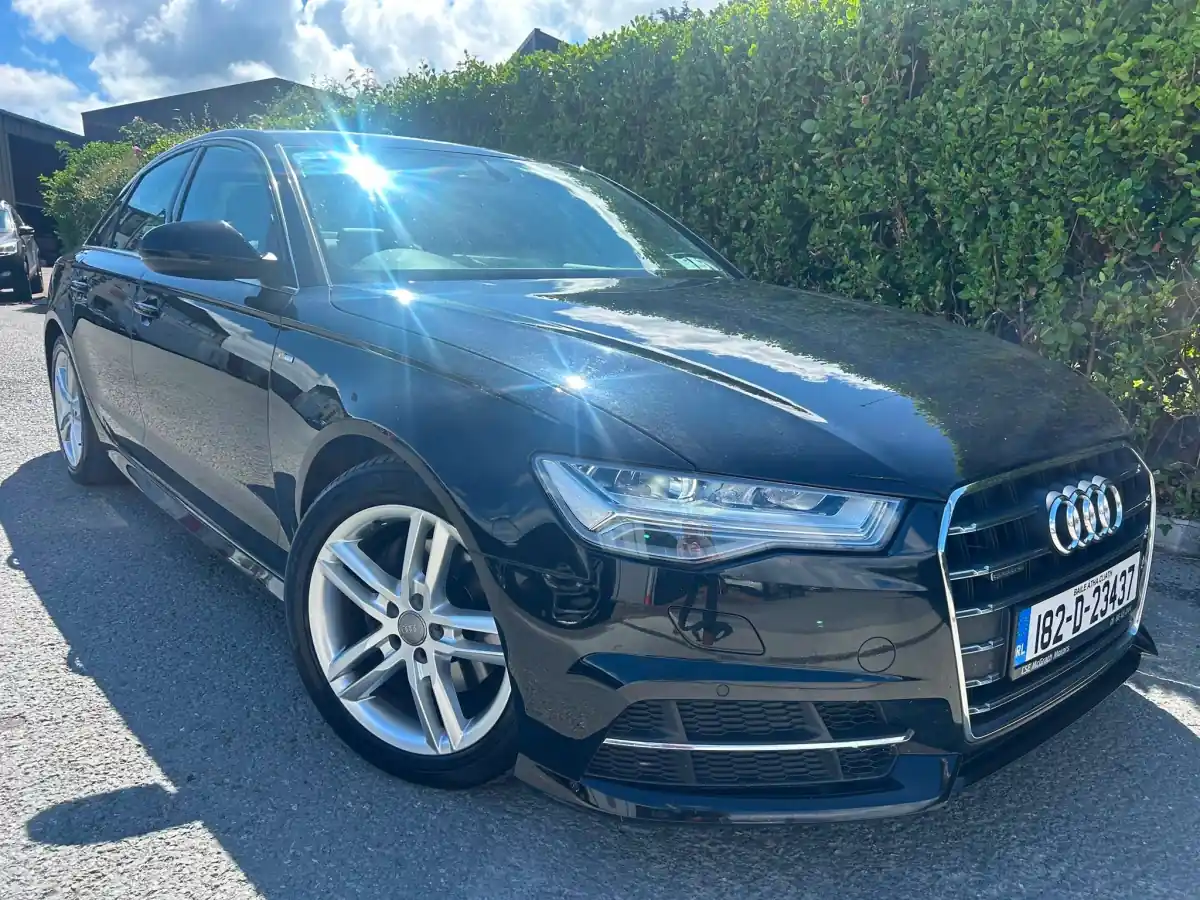
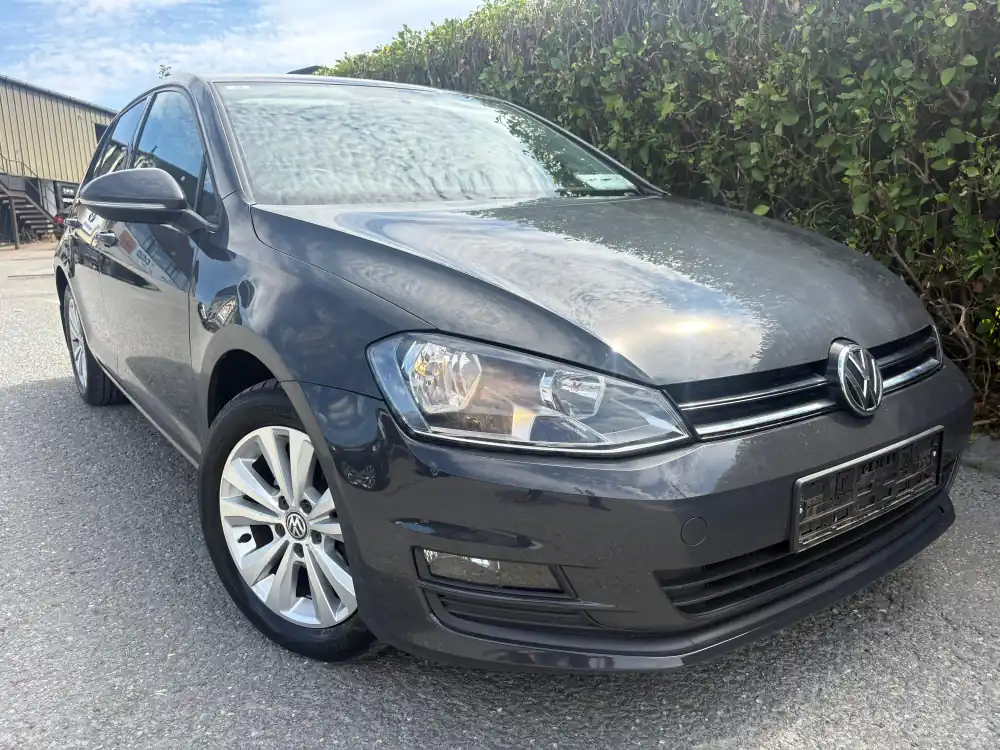
The list stays the same. The weighting changes. On a everyday car, a Polo or Golf class hatchback, the service history and the tyres carry most of the weight, because a big bill on a small car makes no sense. On a premium car in the BMW, Mercedes or Audi class, the electronics, the air suspension where fitted and the gearbox service evidence move up the list, since those are the bills that hurt. Bring the same list to both and spend longer on the expensive end of it.
Questions buyers ask
What are my consumer rights when buying a used car in Ireland?
Your rights depend on who sold you the car. From a dealer, consumer law applies and the car has to match its description and be fit for its purpose, with remedies if it is not. From a private seller you have far fewer protections, so the checks above matter more. The Citizens Information page linked above sets out both cases in plain terms.
Can I drive a car without tax if I just bought it in Ireland?
Driving an untaxed car on a public road is an offence, however recently you bought it. Check the tax status on the free government vehicle check before you collect the car, and tax it in your own name as soon as the change of ownership is processed. Sort the paperwork first and the tax the same day, and the drive home is a drive home.
What is the most reliable second hand car to buy in Ireland?
Reliability belongs to the individual car, not the badge. A well-serviced example of almost any mainstream model will outlast a neglected one with a better name. Judge the service history and the history check in front of you rather than a ranking somebody published, and buy the car with the fullest record.
What is the most affordable way to buy a car in Ireland?
The lowest purchase price is rarely the lowest cost of ownership. A private sale can cost less up front, but it gives you fewer rights and no comeback, and a bargain with a thin service history can hand that saving back in one repair. Buy the best-documented car your budget reaches and the running costs tend to follow.
Ready to walk a car in Clonakilty?
Bring this list with you. Ring or WhatsApp RS Motors on 086 800 0001, Monday to Saturday 9am to 8pm, and arrange a time to see the kind of car in stock. Buyers come out from Cork city and across Munster, and delivery can be arranged if the drive is the problem.