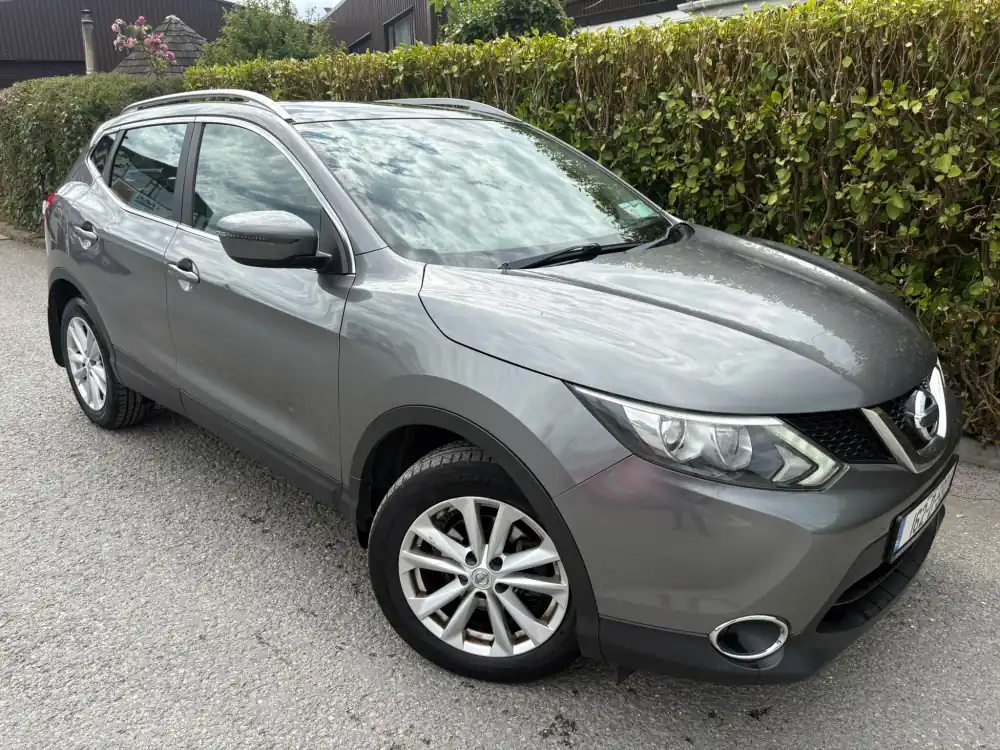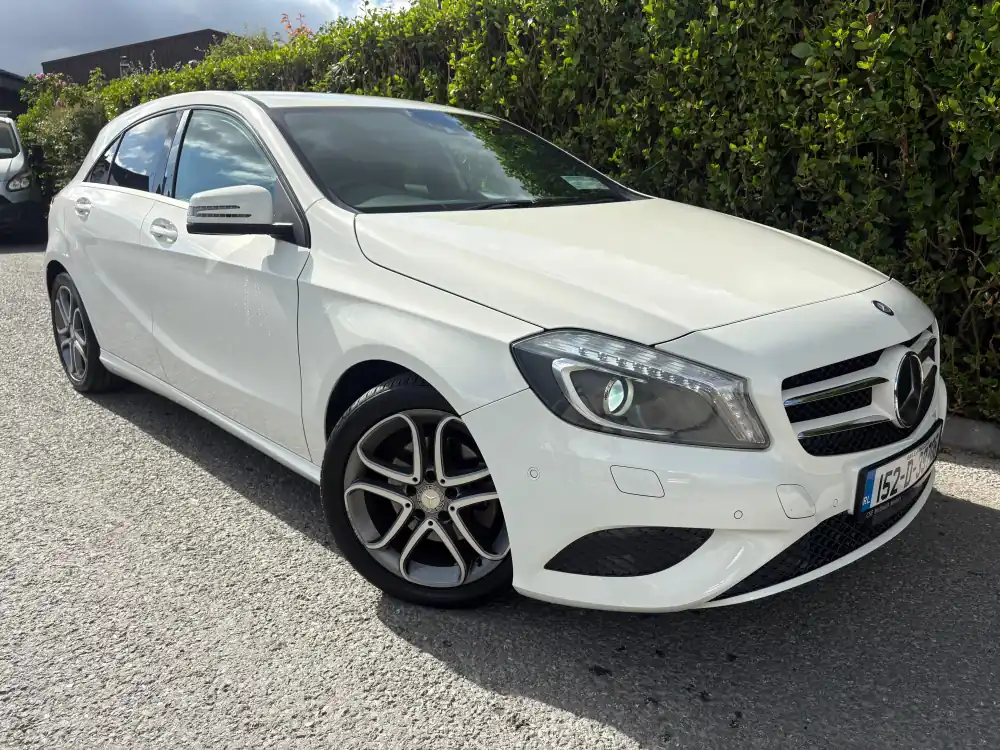
Trading in a car in Ireland works like this: the dealer looks at your current car, puts a figure on it, and that figure comes off the price of the car you are buying. You pay the difference, the ownership paperwork is done on the spot, and you drive home in the newer car. No listing to write, no strangers on test drives, no waiting for a buyer to turn up.
That is the whole shape of it. What follows is how the figure is arrived at, and what you can do about it before you arrive.
What happens when you trade in a car?
You arrive with the car and its paperwork. The dealer walks around it, reads the history, takes it for a short run and comes back with a number. If the number suits you, it is set against the car you want and you settle the balance.
Two figures matter here. One is the trade-in allowance, which is what your car is taken for. The other is the cost to change, which is the sum you actually hand over. Keep them separate in your head. A generous allowance against an inflated price is no bargain, and a modest allowance against a keen price can be the better deal.
RS Motors takes trade-ins against anything in stock, from a Polo or a Golf up to the premium used cars like the A6 and the Q7. Your car does not have to be worth a fortune for a trade-in to make sense. It only has to be worth more to you off the price than it is sitting on the driveway. If you are coming from the Bandon side, it is a short run over with the car.
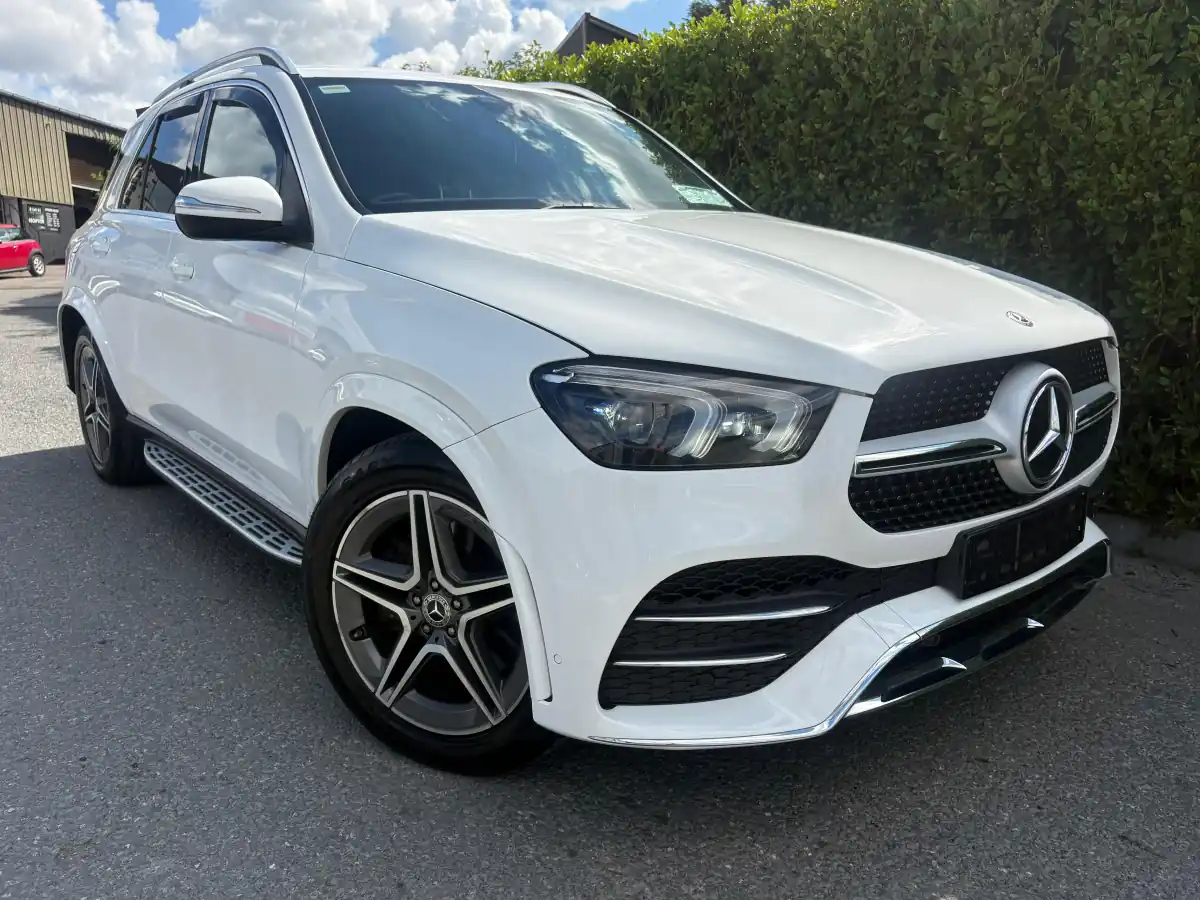
How does a dealer arrive at a trade-in figure?
Condition comes first. Dents, kerbed alloys, a scuffed bumper, a chipped windscreen, a stained seat. Each one is a job the dealer has to pay for before the car can go on sale, and that cost comes off your figure. Tyres get a hard look, because a set of four is real money.
History is next. A stamped service book, receipts for the timing belt or the gearbox oil, and a clean history check all make the car easier to sell on. Gaps in the history do the opposite. Whoever buys the car next will run the same check and read the same gaps, so the dealer prices for that. Cartell has a plain FAQ on trade-in values that is worth five minutes before you go anywhere.
Mileage sits alongside history. High kilometres with a full record are one thing. High kilometres with no record are another.
Demand is the part sellers forget. Cars people are searching for sell quickly. Cars nobody is looking for sit unsold, and a car that sits costs money every week it is there. Your figure reflects that, whatever the car cost new.
Last comes preparation. An NCT if it is due, a service, a valet, any repairs, and the margin the business runs on. That gap between a trade-in figure and the price the same car is later advertised at is normal, and MotorCheck's guide to getting the best trade-in explains what the gap is paying for.
What should you bring with you?
Bring the car washed, with the boot emptied and the cabin cleared. First impressions carry weight. Then the paperwork:
- The Vehicle Registration Certificate, which is the logbook.
- The current NCT certificate.
- The service book and every receipt you can find, in date order if you can manage it.
- Both keys.
- The settlement letter from the lender, if there is finance still owing on the car.
If you cannot find the logbook, say so early. It slows the change of ownership, and the dealer will want to know before a figure is agreed.
Is the trade-in figure the same as what the car is worth?
Worth depends on who is buying. One car has three prices: what a dealer will allow against a trade-in, what a private buyer might pay you, and what a dealer will advertise it for after preparation. The trade-in figure is the lowest of the three, and it is meant to be. You are paying for speed, for certainty and for someone else taking on the risk of the car after it leaves you. MotorCheck's FAQ on what your car is worth sets out how those figures relate to each other.
So the honest comparison is not trade-in against retail. It is trade-in today against what a private sale would net you after the hours, the calls and the haggling, less whatever it costs you to be without a car in between.
How do you get a better figure?
Fix the small things. A missing wheel trim, a blown bulb, a wiper that smears, a warning light for a sensor that costs little. Each one you leave is priced as if it were worse than it is, because nobody can know until it is looked at.
Leave the dear things. A gearbox fault or a clutch on the way out is better declared than repaired at your own expense, because you will rarely get the cost back in the figure.
Gather the paperwork before you come, not after. History that turns up a week later cannot move a figure that was agreed without it.
Be straight about faults. Any dealer who finds something you did not mention will wonder what else is hiding, and the figure moves the wrong way.
Time it, within reason. A car with a fresh NCT and months of tax left is easier to sell on than one that needs both, and the figure reflects that too.
Questions buyers ask
How to trade in a car in Ireland?
Bring the car and its paperwork to the dealer, agree a figure for it, and set that figure against the car you are buying. You pay the cost to change and the dealer handles the change of ownership on both cars. If the paperwork is in order, it can all be done in one visit.
How much is my car worth trade in Ireland?
That depends on the car's condition, its history, its mileage and how quickly that model sells on. There is no fixed table to look it up in, because two cars of the same age can be worth very different amounts. The quickest way to find out is to send the reg and a few photos to a dealer and get a figure back.
Are trade-ins worth it for cars?
For most people, a trade-in is worth it when the gap between the trade-in figure and a likely private sale price is smaller than the value of their time and the risk they would carry selling privately. On an older everyday car, that gap is often small. On a premium car with a strong private market it can be larger, and worth weighing up.
How can I calculate the trade-in value of my car?
You cannot calculate it exactly on your own, because part of the figure is the dealer's own cost to prepare and sell the car. What you can do is read what similar cars are advertised for, knock off a realistic allowance for preparation and margin, and adjust for your car's condition and history. Then get a real figure from a dealer and compare the two.
Get a figure on your car
Ring or WhatsApp RS Motors on 086 800 0001, Monday to Saturday 9am to 8pm, with the reg, the mileage and a few photos, and say which car in stock you have your eye on. If you would rather sell outright than trade in, the sell my car page covers that route.