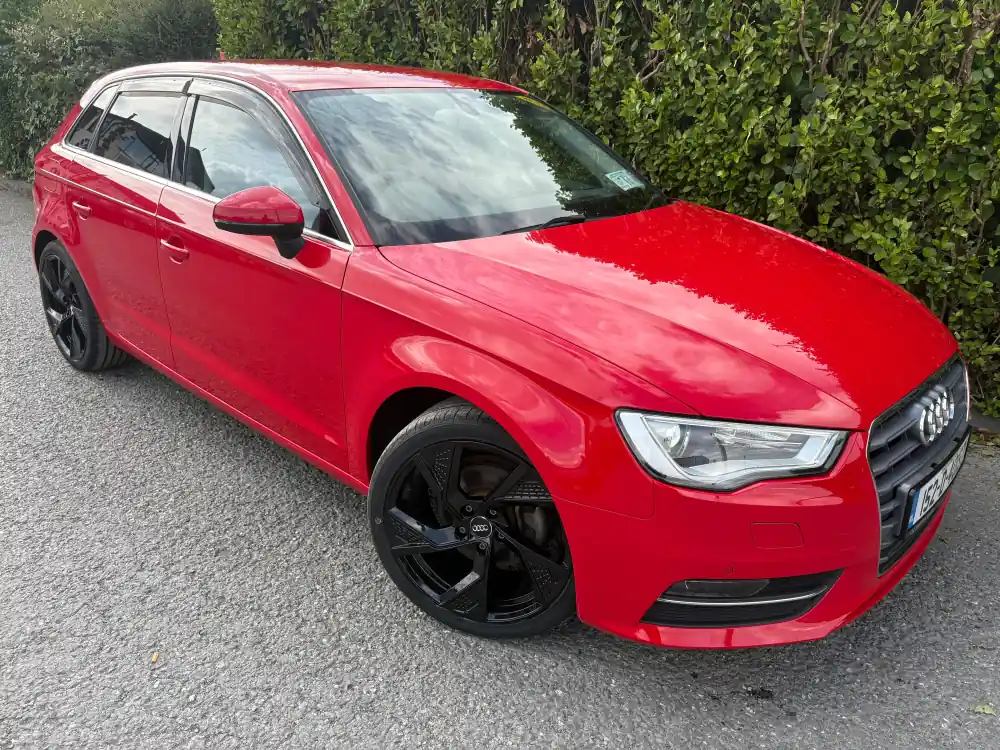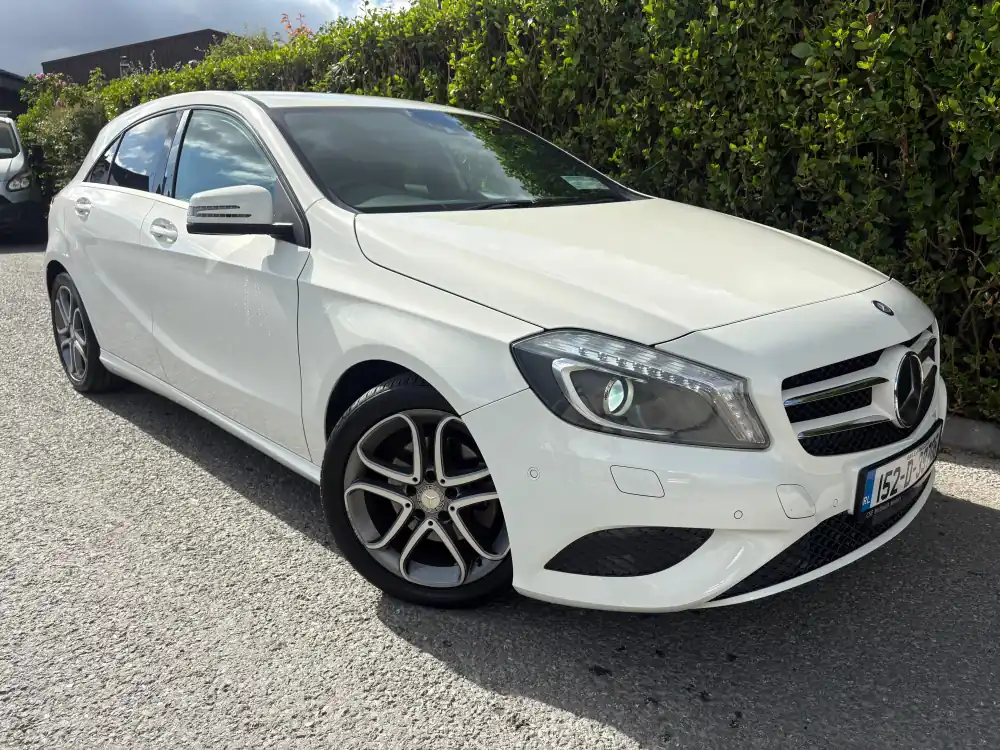
A small petrol hatchback with a small engine, a full service history and a valid NCT is the best first car for a new driver in Ireland. It is inexpensive to insure and to tax, easy to park in Cork city, and simple enough that a parent or the local mechanic can check it over before you buy. Everything after that is detail, and the detail is below.
Why does the engine size matter so much for a first car?
Insurance, mostly. For a young or newly licensed driver the insurance quote can be a bigger number than the car itself, and engine size is one of the things every insurer weighs. Get quotes on two or three specific cars before you buy any of them. The gap between a small engine and a middling one can be startling, and it is a gap you pay every year.
Motor tax follows the same logic, with small and low emission engines sitting at the lower end; the exact rate for any registration is on Motor Tax Online. Fuel and parts round it off. Small engines sip, their tyres cost little, and their brakes and clutches cost a fraction of what a bigger car's do.
Which cars make a good first car?
A Polo class hatchback is the textbook first car, and it earns the reputation. Small engine, small footprint, big glass area so you can see out of it, and parts on every shelf in the county. Its rivals from the other big makers do the same job, and the choice between them usually comes down to which one in front of you has the better history.
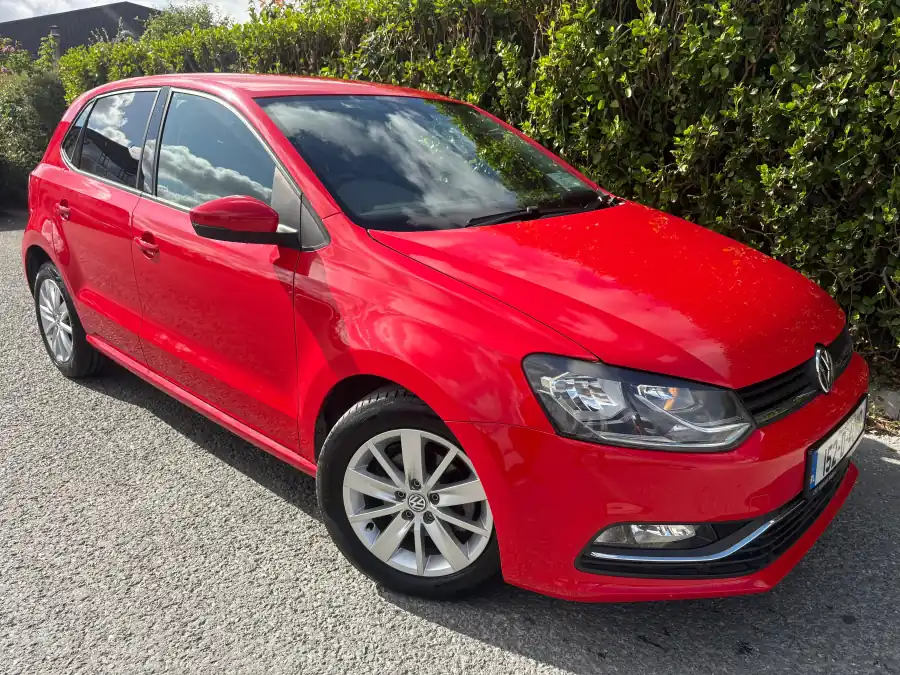
Step up one size to a Golf class car if the new driver is tall or will be doing the run to Cork every day, and expect a bit more on the insurance for it. CompleteCar's answer to what cars are good for first-time buyers and drivers leans the same way, toward the small and the simple. Both shapes are the kind of car at RS Motors.
Petrol, nearly always. First cars do short trips, to school, to training, to the shop, and a diesel doing short trips never gets hot enough to clean its particulate filter. That is a bill a new driver does not need.
Skip anything with a big engine or a performance badge the insurer will notice. Skip anything so old that it is more repair than car. Skip anything with a history you cannot follow from the paperwork.
How much should you spend on a first car?
Spend on condition, not on size or badge. The right amount is what is left after the insurance is paid, the first year's tax is covered and a small fund is put by for the tyres or exhaust that an older car will need. First cars pick up scrapes and kerbed wheels. It should be a car you can afford to be a bit rough with, not one you will worry about in a car park.
The lowest-priced car on the classifieds is rarely the most affordable first car by the end of the year. Something a little dearer with a full history and months left on the NCT usually costs less over the year than a bargain that needs a clutch in March.
What should you check before you hand over the money?
Documents first. You want the registration certificate, the current NCT certificate and the service history, and the chassis number on the certificate should match the plate on the car. The RSA's advice on buying a used car runs through the paperwork and the physical checks in plain terms. Citizens Information explains the consumer rights you have when buying from a dealer, which are stronger than in a private sale, and for a first car that difference is worth something.
Then the car. Walk around it in daylight and look for panel gaps and paint that does not match. Look at the tyres for even wear and matching brands. Start it from cold and listen. Check every light, every wiper and every window. Drive it on a rough road and a fast one, and make sure it stops straight.
Who should come with you to look at it?
Somebody who has bought cars before. Your parent, an aunt, the neighbour who fixes tractors. First time buyers see the colour and the stereo; experienced ones see the tyre wear and the gap in the service book. If nobody in the house knows cars, a local mechanic will usually look one over for the price of an hour's labour, and it is the best money you will spend on the whole purchase.
If a student is heading for college in the city, the used cars Cork city page covers the kind of small car that copes with city parking and the trip home at weekends. And if the family is handing down the old car and replacing it, RS Motors buys cars outright and takes trade-ins, so the sell my car page is worth a look at the same time.
Questions buyers ask
What's the best car to get as your first car?
A small petrol hatchback a few years old, with a small engine, a full service history and a valid NCT. Polo class is the usual answer, with its rivals from the other big makers close behind. Pick the one with the best paperwork, not the best colour.
How much should I spend on my first car in Ireland?
Less than the budget stretches to, once insurance and tax are paid and a repair fund is set aside. First cars take knocks, so buy condition rather than size or badge. Something modest with a full history and months left on the NCT is the sensible spend.
What is the best 2nd hand car to buy in Ireland?
The one whose history you can follow from the first owner to today, in a shape that suits your driving. For a new driver that is a small hatchback. For a family or a long commute it can be something bigger, but the rule about the history never changes.
Ready to find one?
Ring or WhatsApp RS Motors on 086 800 0001, Monday to Saturday 9am to 8pm, and say who the car is for and what you have to spend. You are welcome to bring whoever you like to look it over at RS Motors, and the premium used cars page is the place to start.